A starter emergency fund of $500 to $1,000 does more for the habit than an intimidating six-month target you never reach.
Most emergency fund advice starts with a number that feels impossible: three to six months of expenses. If you have nothing saved yet, that target is not motivating — it is discouraging enough to make people stop before they start.
This guide starts smaller. The goal is a starter fund you can actually reach in a few months, plus a routine that keeps it growing after that.
What an emergency fund actually protects against
An emergency fund is not for a sale you did not plan for or a subscription you forgot about. It is for the handful of costs that are unpredictable in timing but predictable in kind: a car repair, a broken appliance, a medical bill, a period without income.
Without one, these costs usually go on a credit card or get borrowed from money set aside for something else. The fund's job is to remove that decision entirely — the money is already there, already meant for exactly this.
An emergency fund is not a savings goal for something you want. It is money you hope to never really need, kept separate so a bad week does not become a bad year.
Start with a number you can actually reach
Skip the three-to-six-months target for now. Pick a starter goal instead: $500 or $1,000 is enough to absorb most single unexpected costs without touching a credit card. Reaching a real number in two months does more for the habit than reaching 10% of an intimidating one.
Once the starter fund exists, you can grow it toward a bigger target at a slower, steadier pace. The habit matters more at the start than the size.
Where the first deposit actually comes from
Look for one-time money before cutting recurring spending: a tax refund, an unused gift card, something you no longer need sold, extra hours worked in a single week. A first deposit that arrives all at once builds momentum faster than a plan that only adds a little each week.
After that first deposit, a fixed amount from each paycheck — even a small one — keeps it moving without requiring a new decision every time.
Why it should live somewhere separate
Money that sits in the same account as everyday spending gets spent, even with the best intentions. A separate account, envelope, or clearly labeled category makes the fund something you see but do not casually dip into.
The point is friction, not inconvenience. You should still be able to reach the money quickly in a real emergency — just not accidentally, on an ordinary Tuesday.
A simple monthly top-up routine
- Check the balance. Confirm what is actually in the fund, not what you meant to add.
- Add the fixed amount. Whatever you committed to, even if it is small this month.
- Log anything you took out. If you used it, note why and start rebuilding the withdrawn amount immediately.
This takes a few minutes and matters more than the exact amount you contribute. A fund you check monthly stays real; one you set up once and forget about slowly stops feeling like money you can count on.
A realistic example
Imagine someone starting with $0 saved and a $1,000 starter goal. A tax refund of $400 arrives in March and goes straight into the fund. From April onward, $50 comes out of each biweekly paycheck. By August, the fund reaches $1,000.
In September, a car repair costs $340. It comes out of the fund instead of a credit card, and the monthly routine simply resumes rebuilding the balance from $660. This is an illustrative example, not a reported personal result.
What usually derails a first emergency fund
- Starting with the full target. A $1,000 starter goal is more useful than an unreachable six-month figure.
- Keeping it mixed with spending money. Separation is what makes the fund survive an ordinary month.
- Treating any withdrawal as failure. Using the fund for a real emergency is the fund working, not a setback to feel bad about.
- Waiting for "extra" money that never quite arrives. A small fixed contribution beats a plan that depends on leftovers.
A simple way to track it
 Savings goal
PLR Finance Tracker
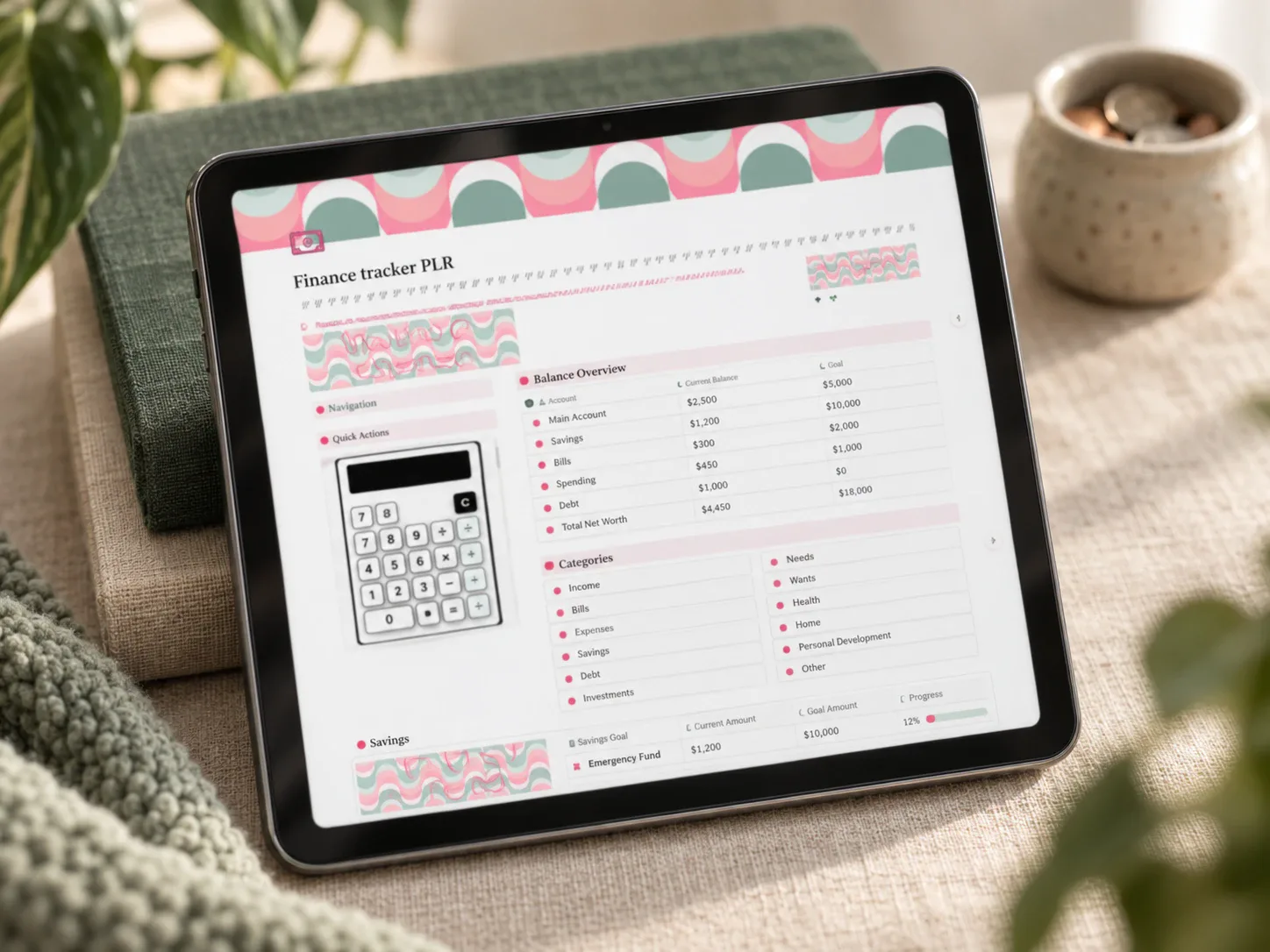
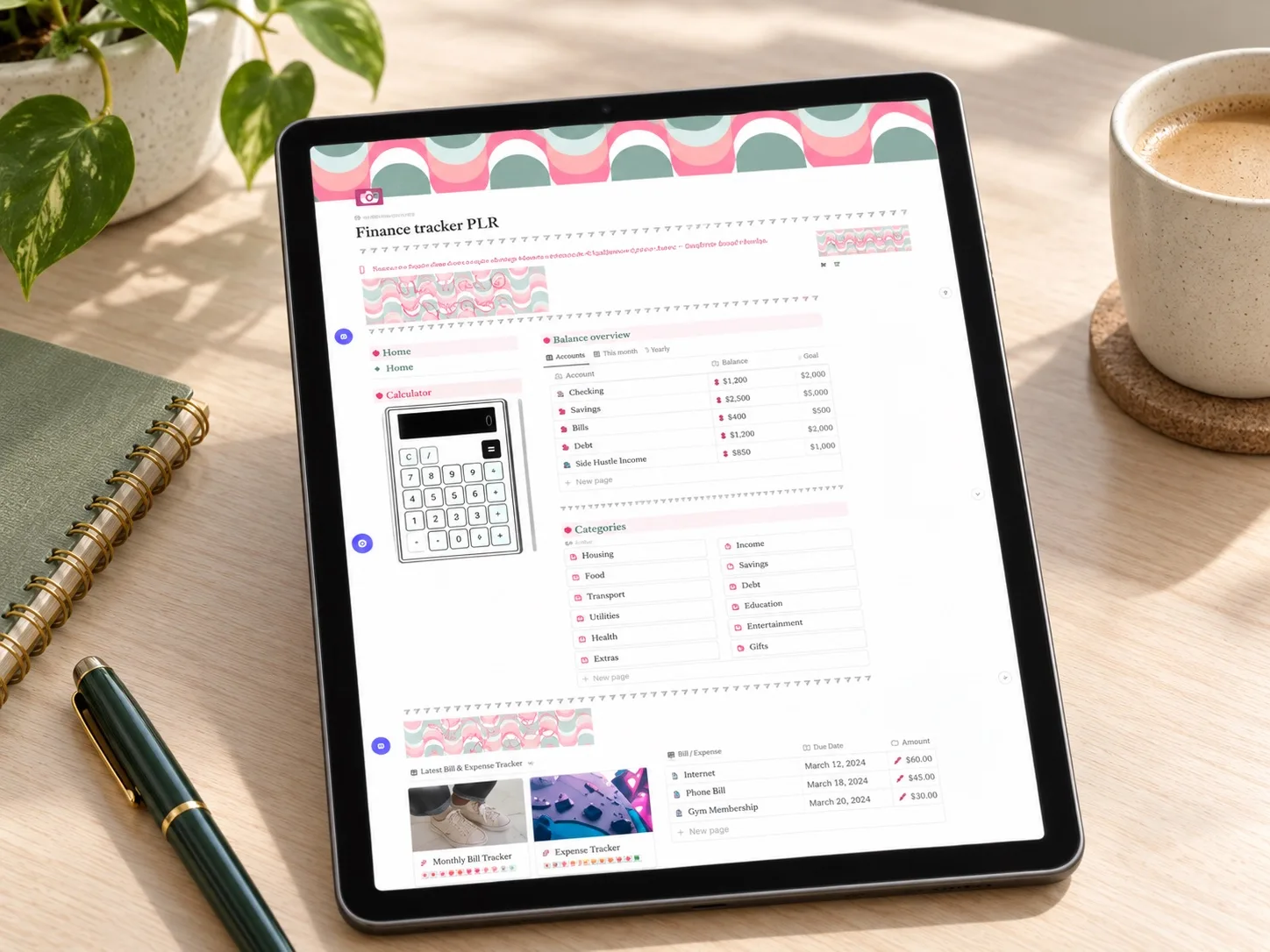
Its savings tracker is built for exactly this: a target amount and visible progress toward it, alongside the income and expenses that fund the monthly top-up.
Read the planner guide →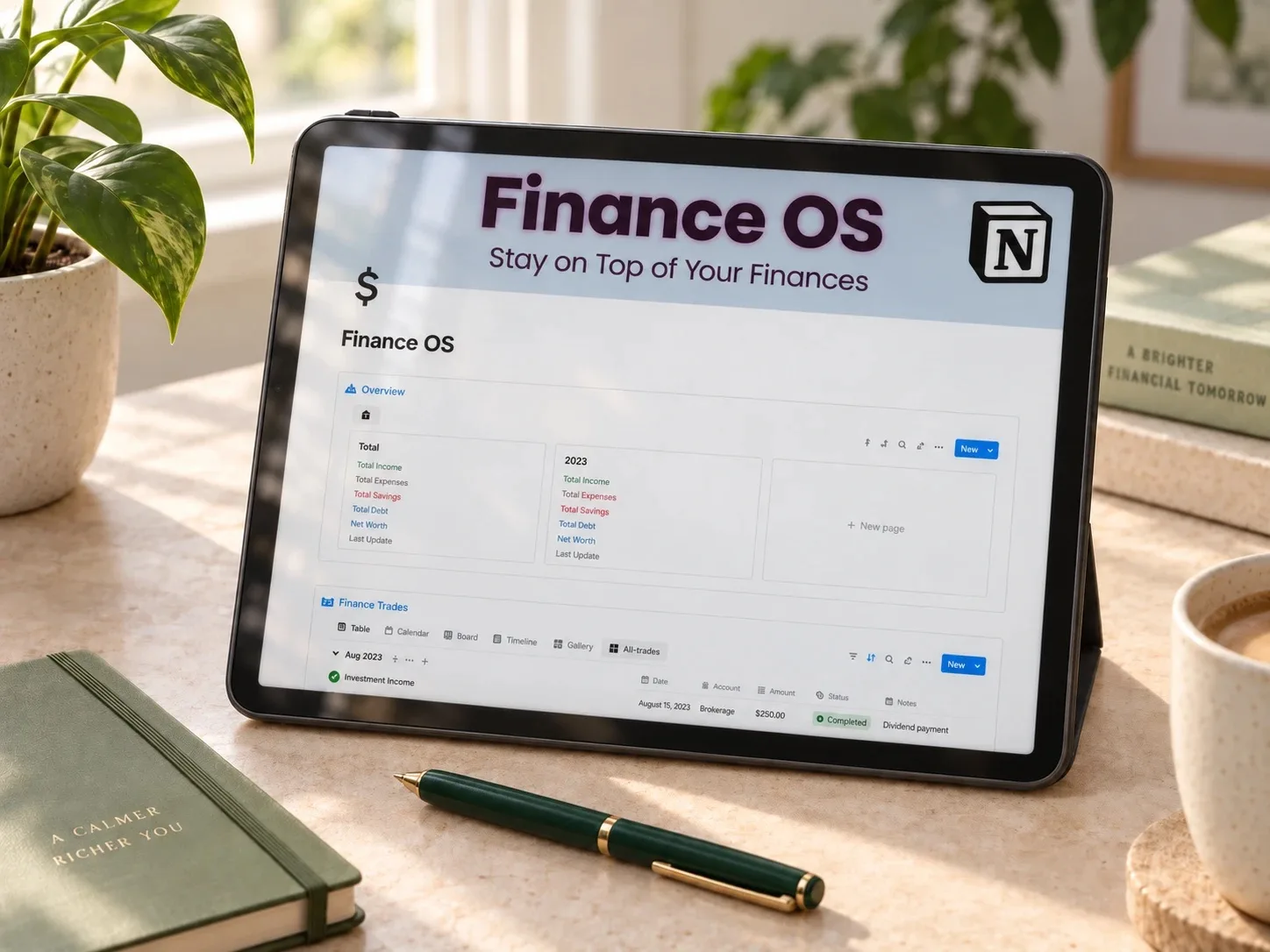 Account balances
Finance OS Tracker
Tracks balances across separate accounts, which suits keeping the fund somewhere distinct from everyday spending. This is a newer listing with no reviews yet, so verify it yourself before choosing it.
Read the planner guide →Questions people ask before starting
Is $1,000 really enough?
It is enough to be a real starter fund, not a final target. It covers most single unexpected costs and gives you room to build toward a larger goal without starting from zero again.
Should I pay off debt or build the fund first?
Many people do both at a reduced pace: a small starter fund first, so a new emergency does not become new debt, then a heavier focus on payoff. Your specific balance depends on interest rates and circumstances.
What counts as a real emergency?
Something necessary, unplanned, and time-sensitive: not a sale, not something you could have budgeted for with more notice.
What if I have to use all of it?
That is the fund doing its job. Restart the monthly routine at whatever balance is left and rebuild from there.
Start with $20 tonight
Open a separate account or category, move whatever small amount you can right now, and set one fixed contribution for next payday. The starter fund begins the moment the money is separated, not once it reaches a particular size.
Written by Calm Budgets