A morning check does not fix your finances. It removes the specific anxiety that comes from being surprised by your own money.
A morning routine usually gets built around coffee, movement, or a to-do list — rarely around money. That is a missed connection, because the same five quiet minutes that set the tone for a productive day can just as easily set the tone for a financially calm one.
This is not a full budgeting session before breakfast. It is a short check that takes less time than waiting for your coffee to brew.
Why money fits naturally into a morning routine
Most money stress does not come from the numbers themselves. It comes from not knowing them — a bill you forgot was due today, a balance you assumed was higher than it is. A morning check does not fix your finances; it removes the specific kind of anxiety that comes from being surprised by your own money.
It also works better in the morning than at night. A quick look at your accounts before the day starts shapes decisions you are about to make — whether to say yes to a coffee run, a takeout order, an impulse purchase. Reviewing at night only tells you what already happened.
This is a five-minute glance, not a budgeting session. If it starts taking fifteen minutes, it has grown into something else and deserves its own separate time.
Three things worth checking, nothing more
- Current balance. Not a full transaction review — just the number itself.
- Anything due today or tomorrow. A bill, a subscription renewal, a payment you promised someone.
- One thing to watch today. A planned purchase, an event with a cost attached, a day where spending tends to creep up.
That is the entire routine. Categorizing expenses, updating a budget, or reconciling a month belongs in a weekly review, not a morning glance.
What this looks like in practice
- Open one account view. Whatever shows your current balance fastest — an app, a tracker, a bank page.
- Scan for anything due soon. Ten seconds, not a full calendar review.
- Name today's one thing to watch. Say it to yourself, or write it in one line if that helps it stick.
Attach it to something you already do every morning — after making coffee, before checking email — so it does not need its own separate reminder to survive past the first week.
A realistic example
Imagine checking your balance and noticing a $40 subscription renews tomorrow that you forgot to cancel. Because you saw it this morning instead of after the charge, you have a full day to decide whether to keep it or cancel before it renews. This is an illustrative example, not a reported personal result.
What usually turns this into a burden
- Trying to categorize spending every morning. That belongs in a weekly review; a daily version of it gets abandoned fast.
- Skipping it after one bad morning. A missed day is not a failure — pick it back up the next one.
- Checking without deciding anything. The point is noticing something you might act on, not just looking at a number.
If you want one place to check
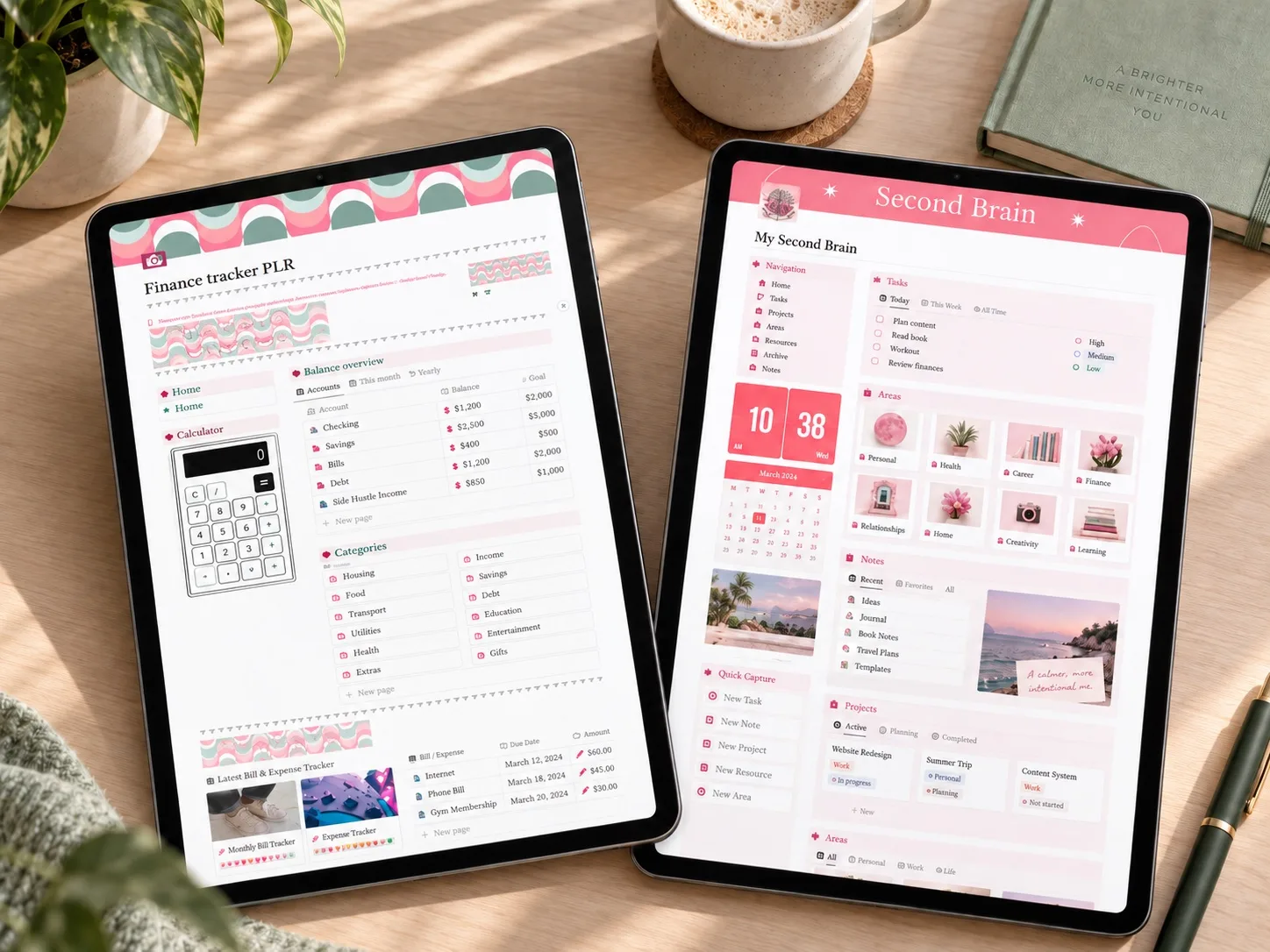
A simple overview page makes the morning glance faster — one screen with a balance and upcoming bills, instead of opening a banking app and a calendar separately.
 Quick overview
Finance OS Tracker
One overview page for income, expenses, subscriptions, and account balances — the kind of single glance a morning routine actually needs. This is a newer listing with no reviews yet, so verify it yourself before choosing it.
Read the planner guide →Questions people ask before starting
What if I do not have five minutes some mornings?
Check the balance alone and skip the rest. A partial check is still better than none.
Should this replace my weekly review?
No. The morning check is about today; the weekly review is about the bigger pattern. They answer different questions.
What if checking my balance makes me anxious?
Start with just the due-date check for a week or two, and add the balance once the habit itself feels routine rather than stressful.
Start tomorrow morning
Pick the moment you will attach this to — after coffee, before your phone's first notification check — and try the three-item version once. That single morning is the whole routine; repeating it is what makes it useful.
Written by Calm Budgets