A no-spend challenge is not a budget. It is a short reset that makes your next budget more honest.
A no-spend challenge is not about spending nothing. Rent still gets paid and groceries still get bought. The challenge is to pause optional spending for a set period — a weekend, a week, a month — and see what happens to your money and your habits when the default "just buy it" option is switched off.
Done well, it is less a punishment and more a short experiment with surprisingly useful results.
Why a short break from spending works
Most overspending is not one big decision. It is dozens of small, automatic ones: a coffee because you walked past the café, a cart checkout because an app sent a discount. A no-spend period interrupts that automatic loop long enough for you to notice it.
The money saved is a bonus. The real value is learning which purchases you genuinely miss and which you do not notice at all.
A no-spend challenge is not a budget. It is a short reset that makes your next budget more honest.
Write your rules before you start
Most challenges fail on day three because the rules were never clear. Decide in advance:
- What is always allowed: rent, bills, groceries from a list, fuel, medicine.
- What is paused: takeout, clothes, online shopping, entertainment purchases, decor.
- Grey areas: a friend's birthday dinner, a work lunch — decide now, not in the moment.
- The length: start with a weekend or one week before trying a full month.
Prepare so the challenge is realistic
Plan a week of meals from what you already have, check which bills fall inside the challenge window, and delete saved payment details from one or two shopping apps. A little friction goes a long way.
Also plan a few free things to do. A no-spend weekend with nothing planned tends to end at a shopping center.
Track days, not just money
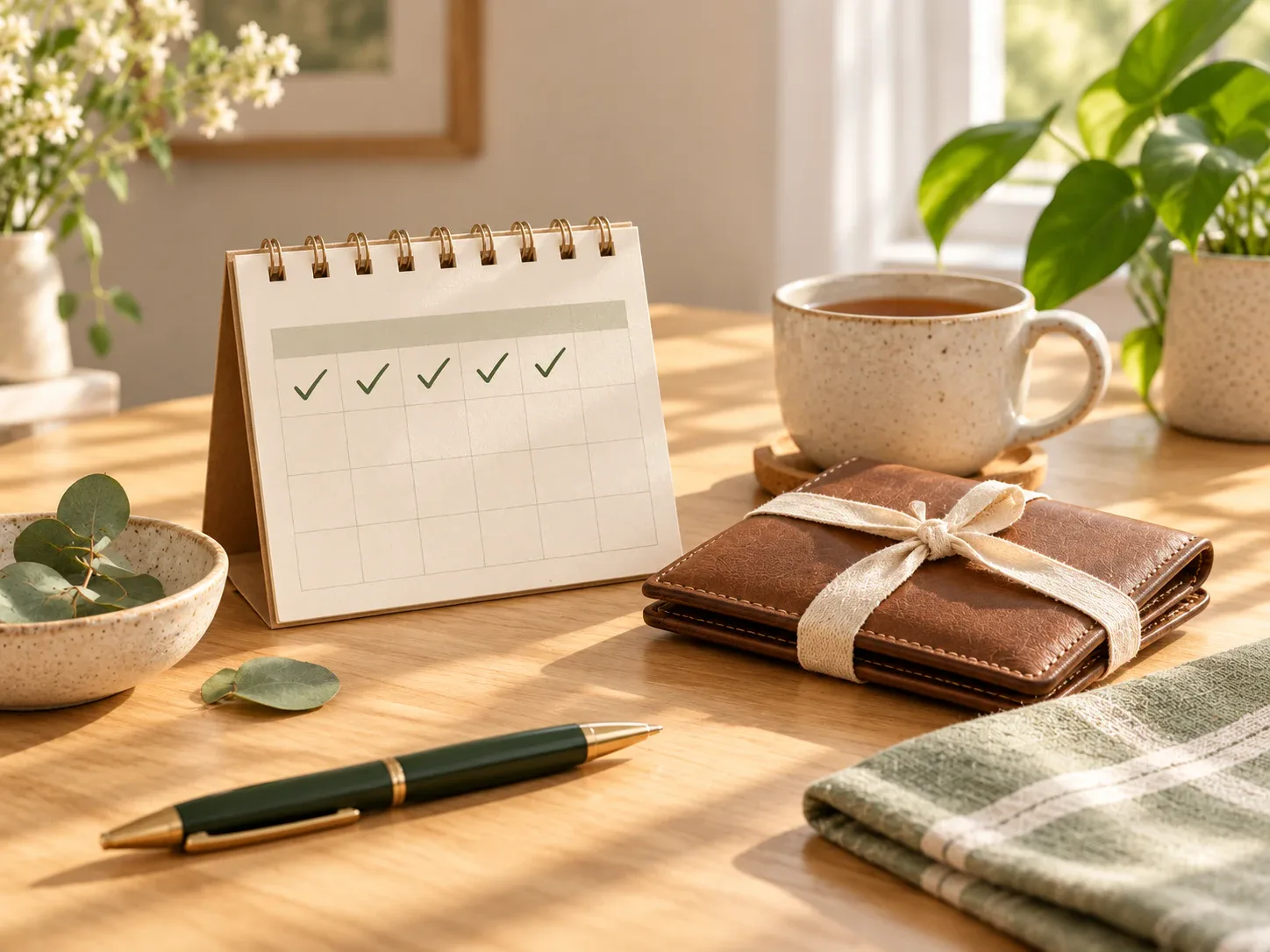
Mark each no-spend day on a simple calendar or habit tracker. Seeing a streak of marked days is surprisingly motivating, and it shows you exactly which days of the week are hardest — often Fridays or payday.
When you do spend on something paused, write down what it was and why. Those notes are the most useful result of the whole challenge.
A daily one-minute check
- Mark today as a no-spend day, or note the exception.
- Write one line about what you wanted to buy and did not.
- Glance at tomorrow for anything that might tempt a purchase.
What to do when it ends
Move the money you did not spend to savings or a specific goal right away, so it does not quietly turn into a "reward" shopping spree. Then look at your notes: categories you did not miss at all are good candidates to cut back permanently in your regular budget.
A realistic example
Imagine a one-week no-spend challenge with takeout, online shopping, and coffee out paused. Five of seven days are marked clean; two exceptions are a work lunch and a birthday gift, both noted. Compared with a typical week, around $95 stays unspent and goes straight into an emergency fund. The notes also show that nearly every past takeout order happened on a tired Thursday evening. This is an illustrative example, not a reported personal result.
What usually derails a no-spend challenge
- Starting with a full month. Build the habit with shorter challenges first.
- Vague rules. Grey areas decided in the moment usually become purchases.
- Rewarding yourself with a spending spree. Move the saved money before it disappears.
- Treating one exception as failure. Note it and carry on.
A tracker for streaks and goals
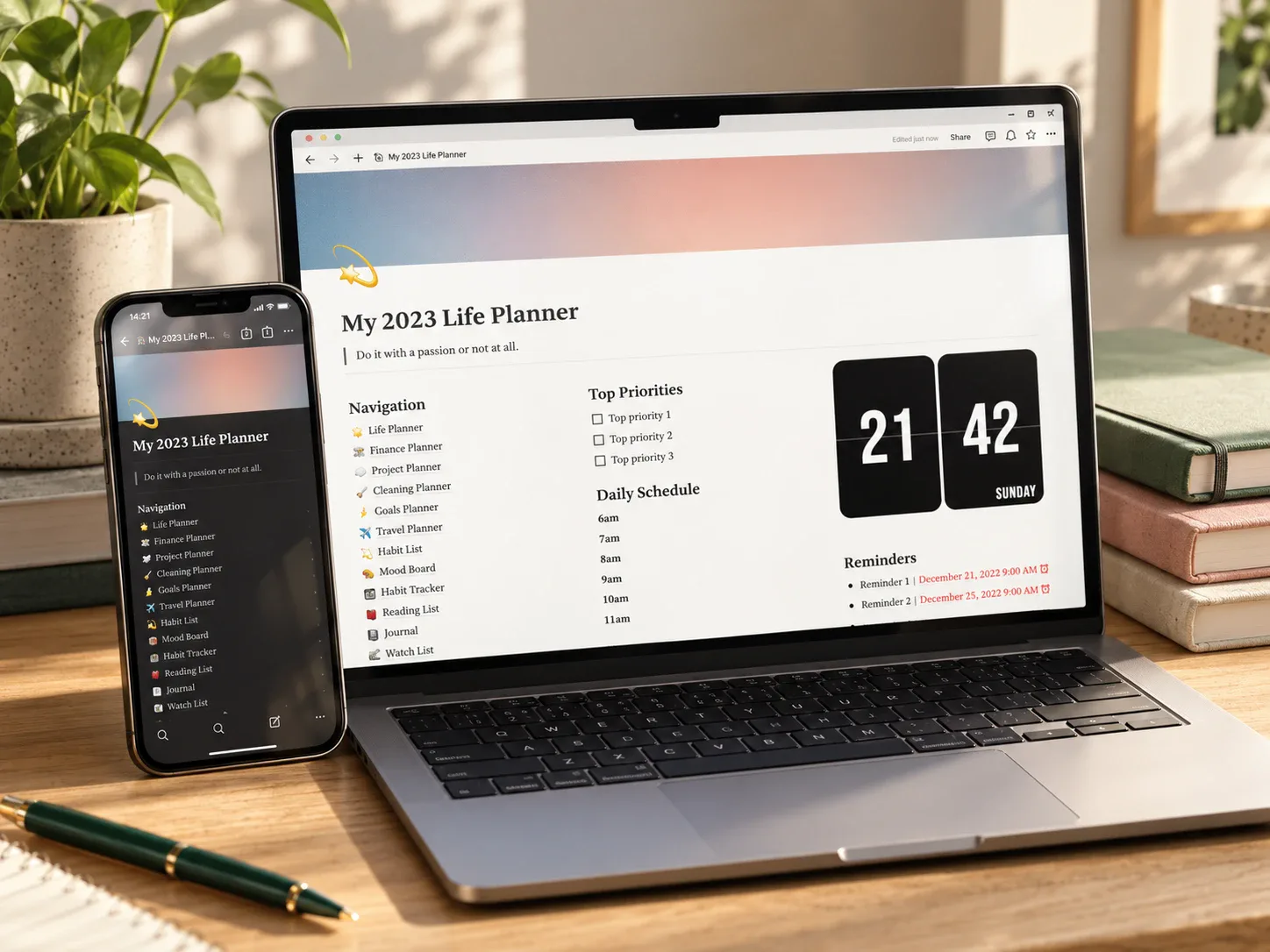
A no-spend challenge works best when your streak, your money notes, and your savings goal live together. A broad Notion life planner can hold all three:
 Habits and money
Notion Dashboard Life Planner
A habit tracker, finance planner, goals planner, and journal in one workspace — useful for tracking a no-spend streak alongside what the saved money is for.
Read the planner guide →Questions people ask before starting
Can I do a no-spend challenge with a family?
Yes, but agree on the rules together first. Children often enjoy a streak calendar more than adults do.
What about subscriptions during the challenge?
Existing subscriptions usually continue, but it is a good moment to list them and decide which to keep.
How often should I do one?
Some people use one short challenge each quarter as a reset. Others use one after an expensive month.
Start with one weekend
Write three lines tonight: what is allowed, what is paused, and what free thing you will do on Saturday. That is enough to begin your first no-spend weekend.
Written by Calm Budgets