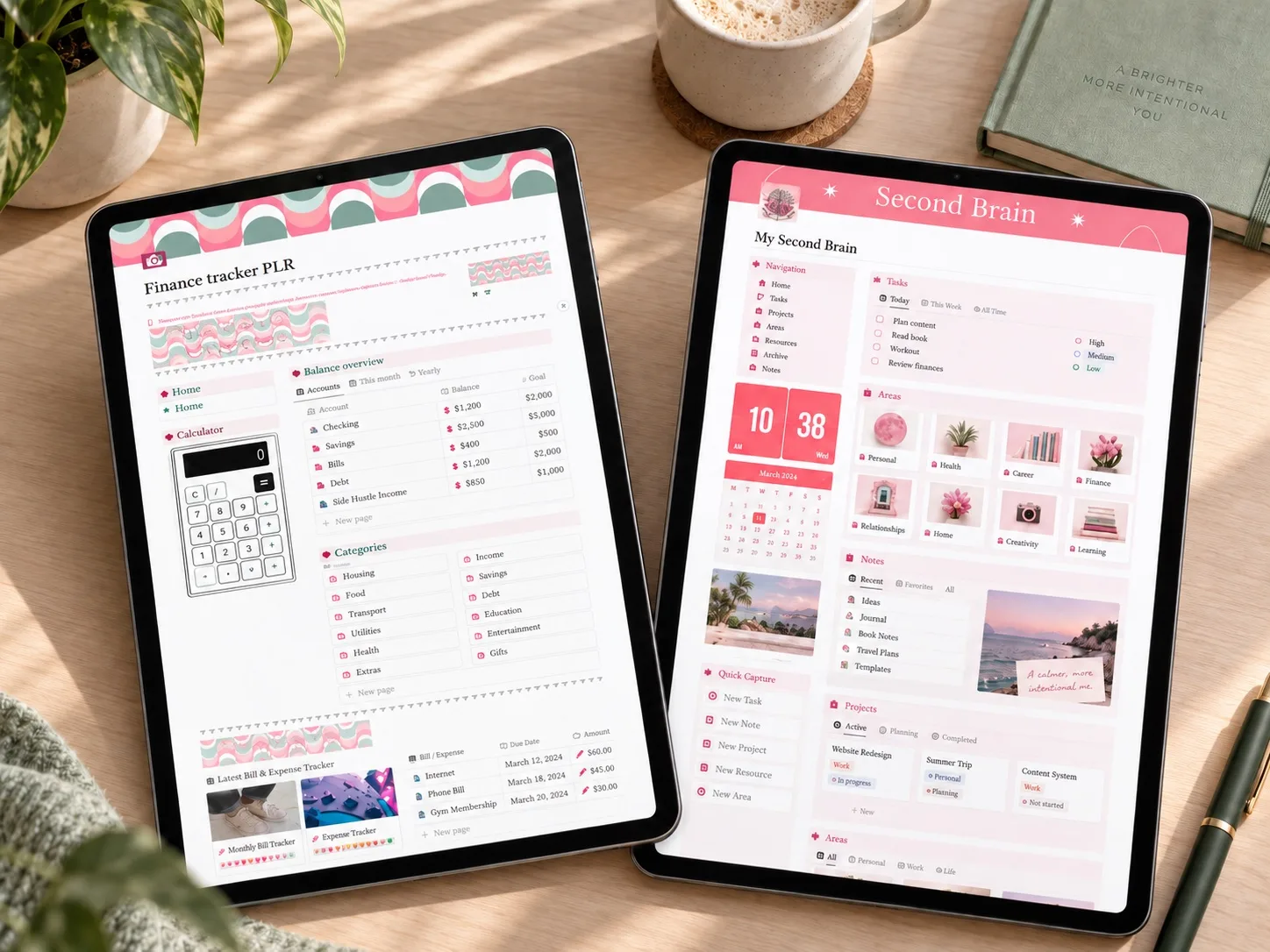
A wedding budget is not one number to hit. It is a running total of many smaller payments, each tied to a specific vendor and due date.
A wedding budget rarely fails because the total number was wrong. It fails because a deposit here, a vendor payment there, and a "just this once" upgrade never get added up in one place until the final bill arrives.
This guide is about keeping a running, honest picture of wedding spending — not about cutting costs or finding the cheapest version of everything.
Why wedding budgets slip even when couples plan carefully
Most wedding costs are not one bill — they are dozens of smaller payments spread across a year or more: deposits, balances, tips, delivery fees, alterations. Each one feels manageable on its own. The total only becomes clear when someone adds every payment together, and that step often does not happen until after the wedding.
Vendors also do not talk to each other. The florist's final invoice, the venue's balance, and the photographer's travel fee all arrive on different schedules, from different people, with no single place showing what has already gone out.
A wedding budget is not one number to hit. It is a running total of many smaller payments, each tied to a specific vendor and a specific due date.
One list, every vendor, every payment
Track each vendor with three columns: total quoted price, amount already paid, and balance remaining with its due date. This turns "how much have we spent on the wedding" from a guess into a number you can check in under a minute.
Deposits are the easiest payments to lose track of, because they happen early and feel "already handled." Log them the same way as any other payment — paid, on this date, to this vendor.
Group vendors the way you actually think about the wedding
Venue, catering, photography, attire, décor, and "everything else" is usually enough. The goal is being able to see which category is running over before the final invoices arrive, not tracking every ribbon and candle separately.
A category running high early is useful information — it means either accepting the trade-off deliberately or adjusting somewhere else, while there is still time to decide.
A simple biweekly check
- Update anything paid. New deposits, balances, or unexpected add-ons since the last check.
- Scan upcoming due dates. Nothing should arrive as a surprise a week before it is due.
- Compare category totals to the plan. Adjust one category deliberately if another is running higher than expected.
Every two weeks is usually enough. Weekly can feel excessive for months with little activity; monthly risks missing a due date.
A realistic example
Imagine a venue deposit paid in January, a photographer deposit in March, and a florist balance due in September — each tracked the moment it happens. By the month before the wedding, the running total shows $2,400 more spent on décor than planned, offset by catering coming in under budget. Nothing here is a surprise, because every payment was already logged. This is an illustrative example, not a reported personal result.
What usually breaks a wedding budget
- Not counting deposits as "real" spending yet. A paid deposit is money gone, even if the event is a year away.
- Tracking the big vendors but not the small ones. Alterations, delivery fees, and tips add up the same way large invoices do.
- Reviewing only when a bill arrives. That means always reacting, never anticipating.
- One person tracking, the other guessing. A shared, visible list keeps both partners working from the same numbers.
A ready-made starting point
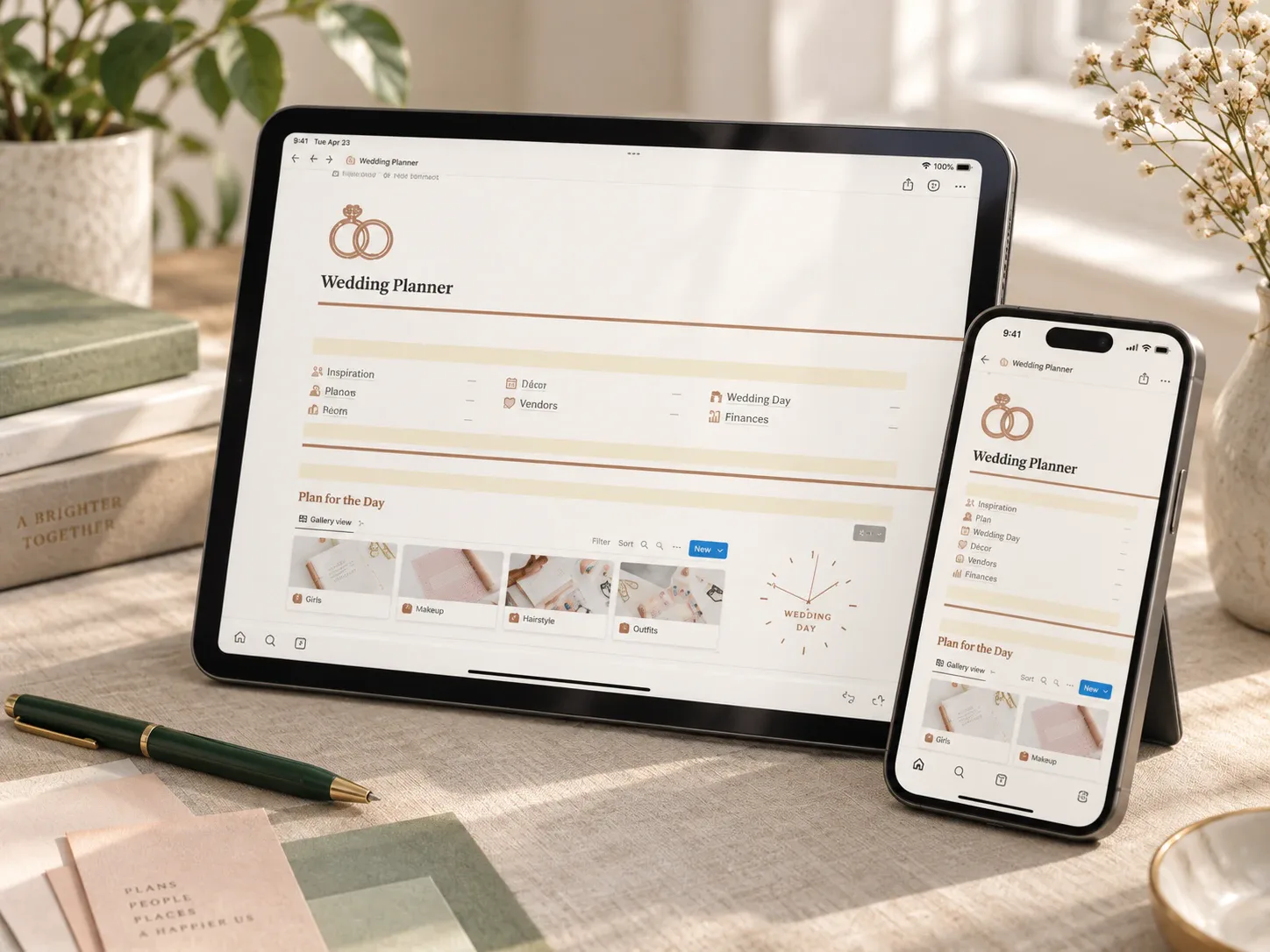
If you would rather start from a template built for this instead of a spreadsheet, one option keeps the wedding planning and the money side together:
 Wedding + budget
Notion Wedding Planner Template
Pairs wedding planning with a dedicated finance section covering vendors, vendor payments, and every transaction — built to keep the money side from getting lost in the planning side.
Read the planner guide →Questions people ask before starting
Should we track the whole budget or just what we are personally paying?
Track everything, including contributions from family, and note who is responsible for each payment. The full picture matters even if you are not covering all of it yourself.
What if our wedding date is still far away?
Start now. Early deposits are exactly the payments most likely to be forgotten by the time the final total is due.
How do we handle price changes after booking a vendor?
Update the quoted total the moment it changes, rather than waiting for the final invoice to reveal the difference.
Start with one vendor tonight
Pick the vendor you have paid the most to so far, and write down the total quoted, what has been paid, and what remains. That single entry is the start of the list — add the rest as each vendor gets booked.
Written by Calm Budgets