Half for needs, 30% for wants, 20% for savings and extra debt, on after-tax income. Adjust the split, but keep savings above zero.
The 50/30/20 budget is the simplest way to split a paycheck without tracking every coffee. Three buckets, three percentages, and a quick check of whether your money is going roughly where you want it to.
What the 50/30/20 rule is
The rule was popularized by Elizabeth Warren and Amelia Warren Tyagi in their book All Your Worth. It divides your after-tax income into three parts:
A real example on $3,200 a month
| Bucket | Share | Amount | Could include |
|---|---|---|---|
| Needs | 50% | $1,600 | Rent $1,050, groceries $320, utilities $130, phone $50, car insurance $50 |
| Wants | 30% | $960 | Eating out $250, subscriptions $40, shopping $200, fun money $470 |
| Savings & debt | 20% | $640 | Emergency fund $300, sinking funds $140, extra debt payment $200 |
Use take-home pay, the amount that actually lands in your account. If money for retirement is already taken out of your paycheck, you can count it toward the 20%.
How to set it up in 20 minutes
- Write your monthly take-home pay. If income varies, use a low but realistic month.
- Multiply by 0.5, 0.3 and 0.2. These are your three limits.
- List last month's spending and tag each line as need, want or savings.
- Add up each bucket and compare it with the limit.
- Pick one change for the bucket that is furthest off, and set up the savings transfer for payday.
Is it a need or a want? A basic phone plan is a need; the newest phone is a want. Groceries are a need; takeout is a want. When in doubt, ask: "Would I still have to pay this if I lost my income next month?"
When 50/30/20 doesn't fit
In many cities rent alone takes more than half of take-home pay. The rule is a starting point, not a test you pass or fail. Common adjustments:
| Split | When it helps |
|---|---|
| 60/20/20 | High housing costs; wants shrink, savings stay protected |
| 70/20/10 | A tight season: new job, a move, a new baby |
| 50/20/30 | Paying off debt or building an emergency fund fast |
Whatever the split, keep the savings bucket above zero. Even 5% builds the habit.
50/30/20 vs. other budget methods
- vs. zero-based budget: zero-based gives every dollar a specific job; 50/30/20 only needs three totals. Start with 50/30/20, move to zero-based if you want more control.
- vs. cash stuffing: you can use envelopes for the 30% "wants" bucket to make the limit physical.
- vs. paycheck budgeting: apply the same percentages to each paycheck instead of the month.
Tracking the three buckets
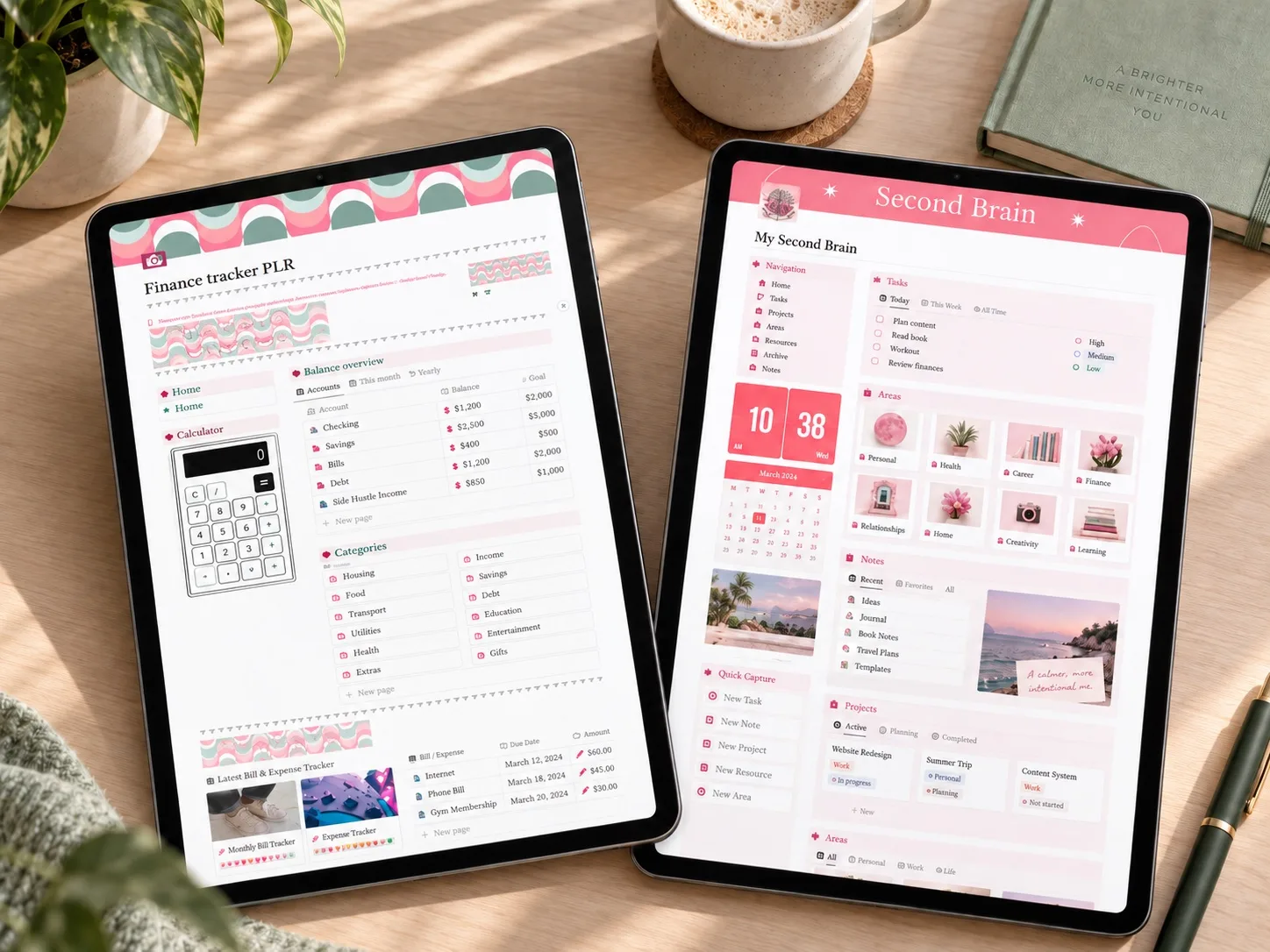
The easiest setup is a tracker with customizable categories, where each category is tagged Need, Want or Savings. Once a week, glance at the three totals and you'll know if you're on track, without logging every detail forever.
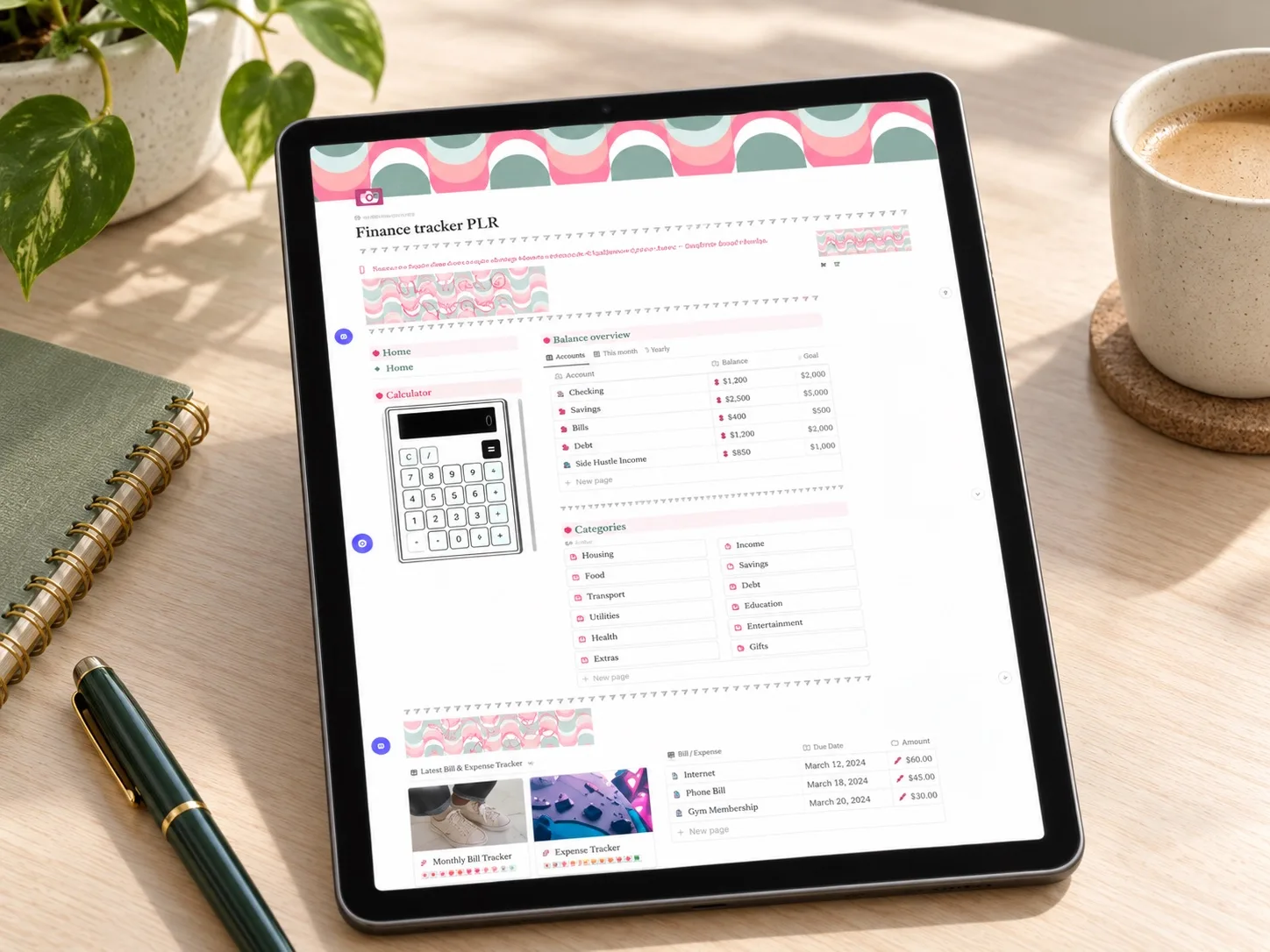 Customizable categories
PLR Finance Tracker
Income and expense tracker with categories you can rename to Needs, Wants and Savings, plus a savings goal tracker.
Read the template guide → First budget
Finance OS Tracker
A single overview of income, expenses, subscriptions and goals for people setting up their first budget.
Read the template guide →Ready-made 50/30/20 budget templates
- 50/30/20 Budget Planner (Google Sheets): An automated Google Sheets planner that splits income into Needs 50%, Wants 30% and Savings 20%, with 12 monthly dashboards, budget vs. actual, sinking funds, savings goals and a subscription tracker.
- 50/30/20 Rule Budget Planner (printable): An editable Canva page you can print at 8.5×11 and fill in by hand every month.
Questions people ask
Is 50/30/20 based on gross or net income?
Net, meaning after taxes. Using gross income makes every bucket look bigger than the money you actually have.
Where do debt payments go?
Minimum payments are needs. Anything above the minimum goes in the 20% savings and debt bucket.
Is 20% savings realistic?
Not for everyone right away. Start with what fits and raise it by 1–2% whenever your income grows.
Try it on last month
Take last month's bank statement and a highlighter in three colors. Twenty minutes later you'll know your real split, which is the most useful number in personal finance you've probably never calculated.
Written by Calm Budgets